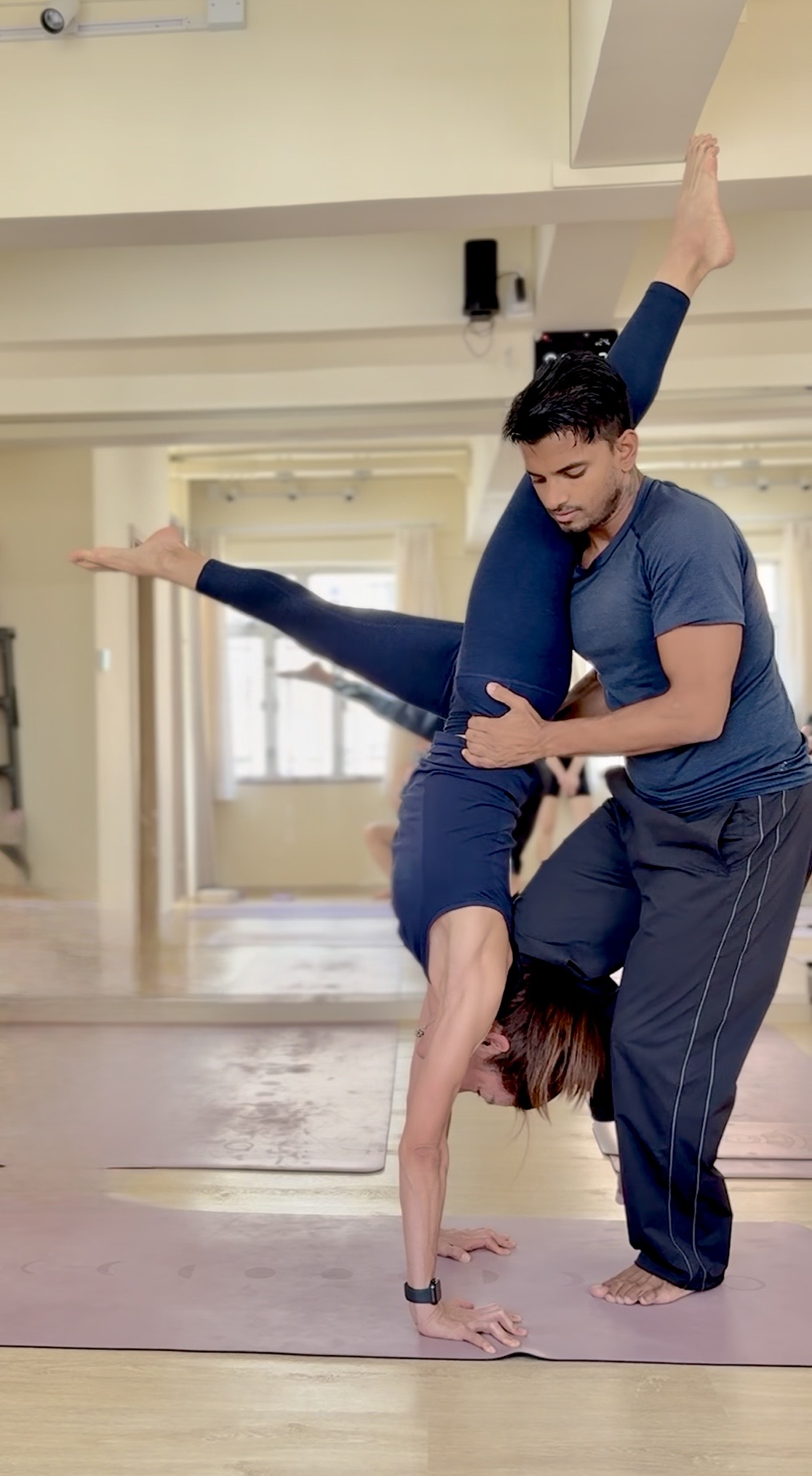
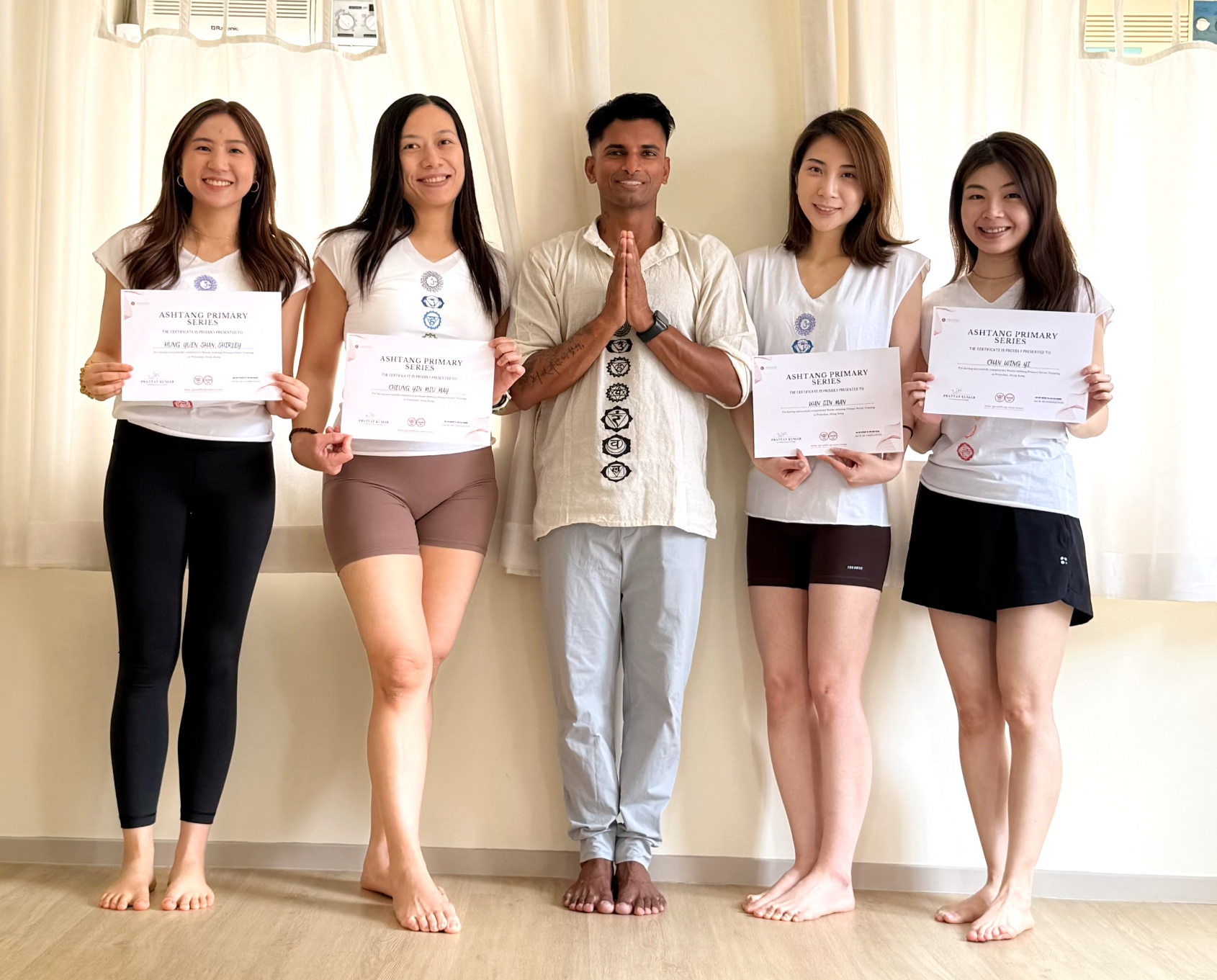
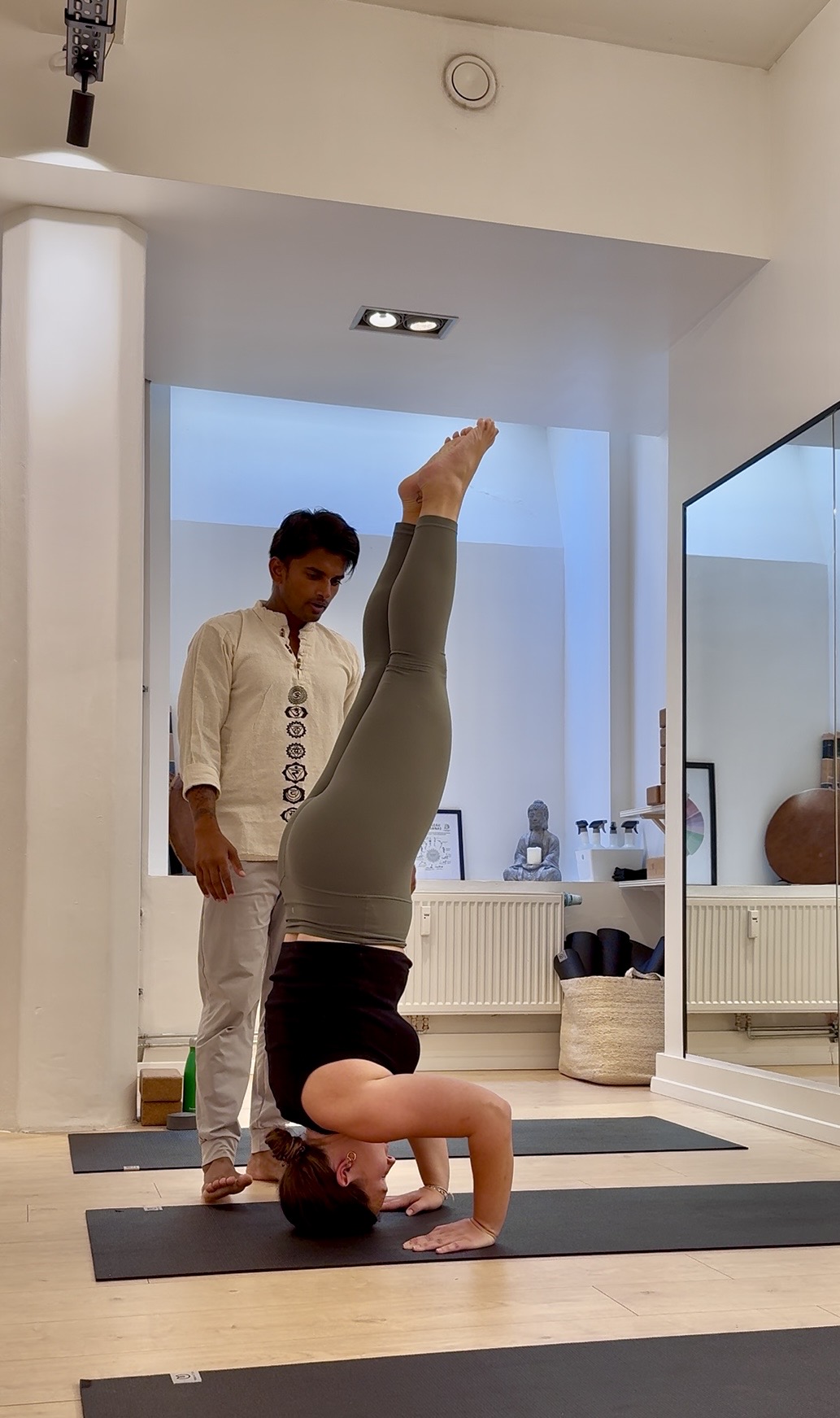
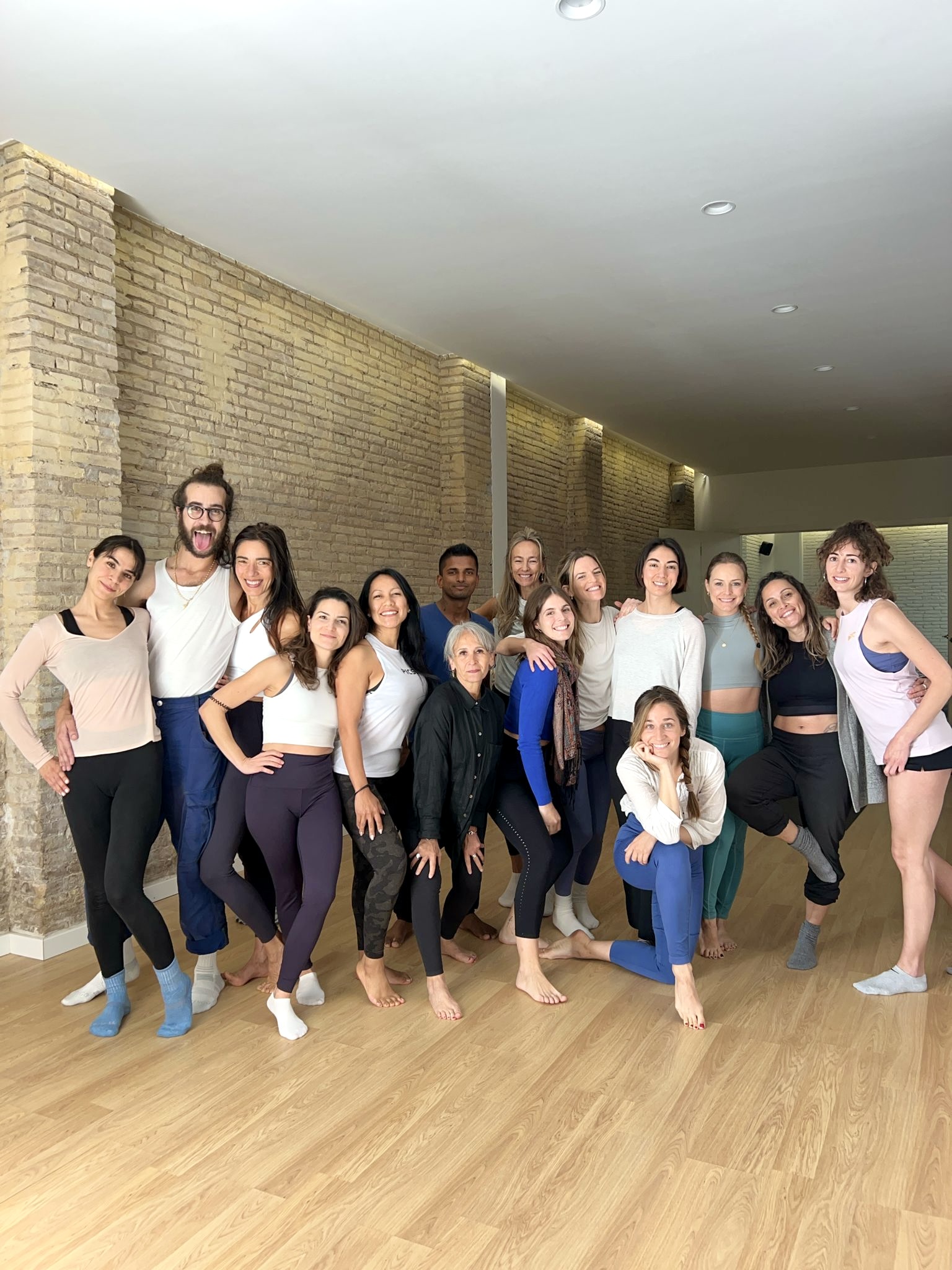
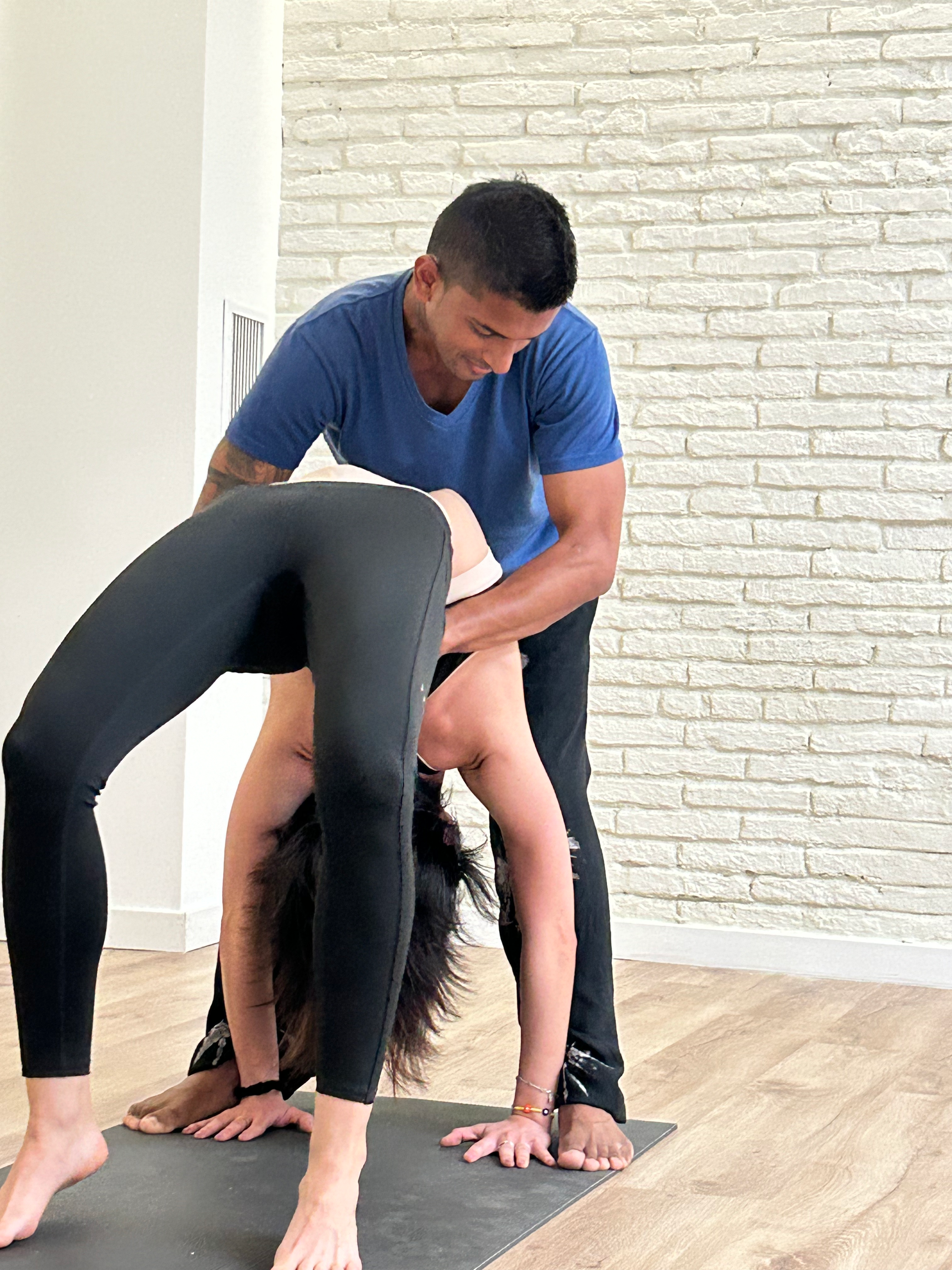
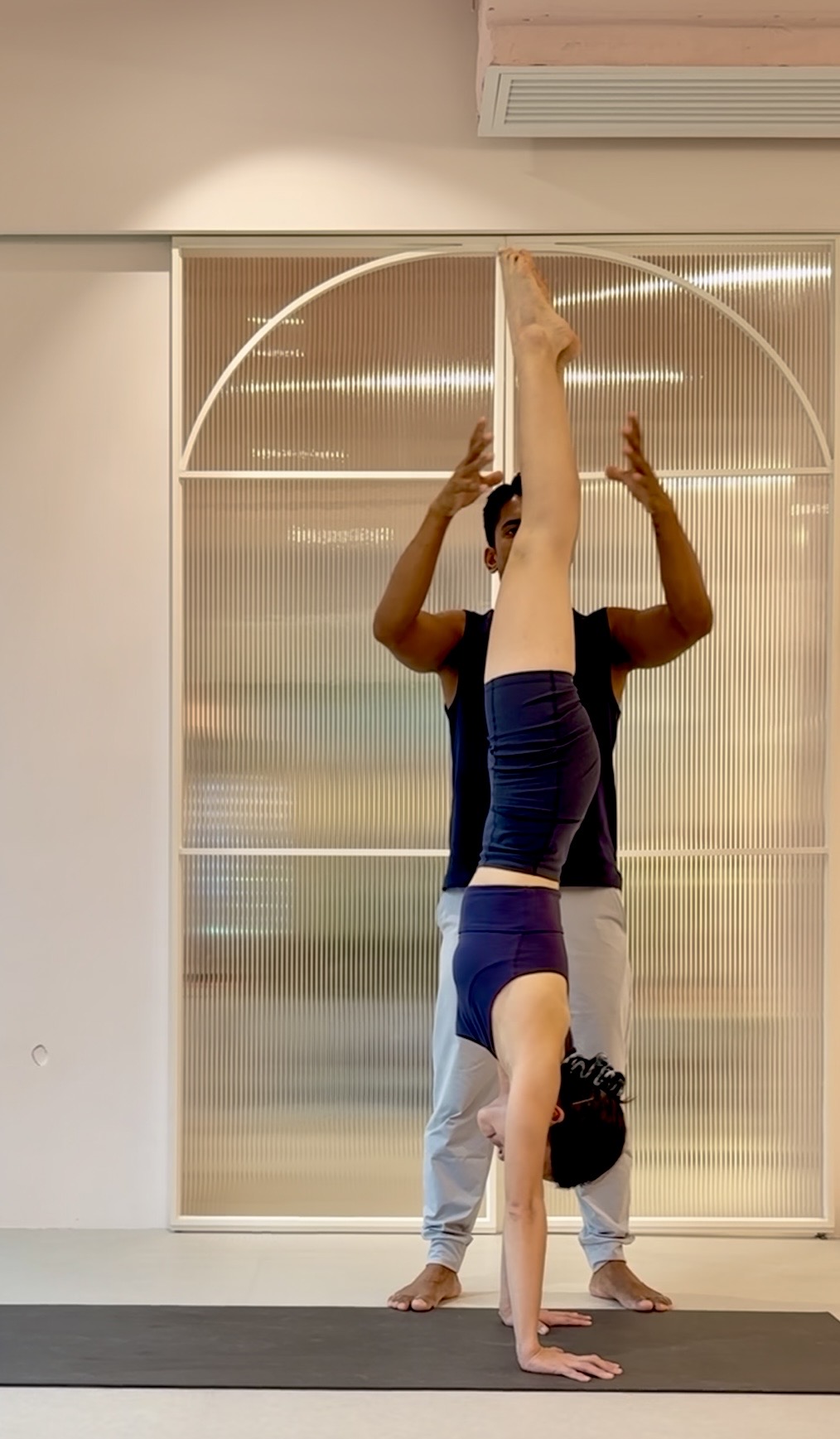
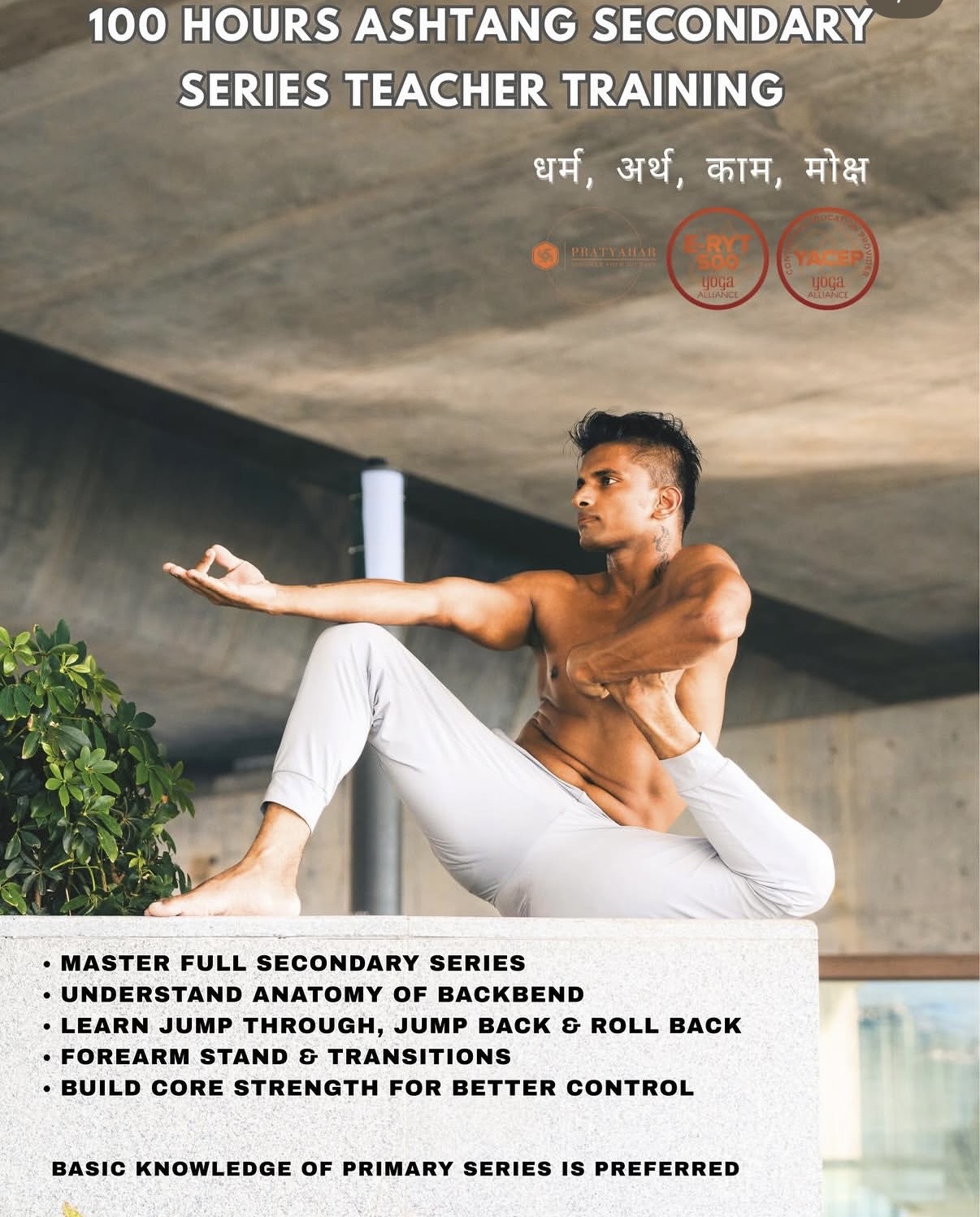
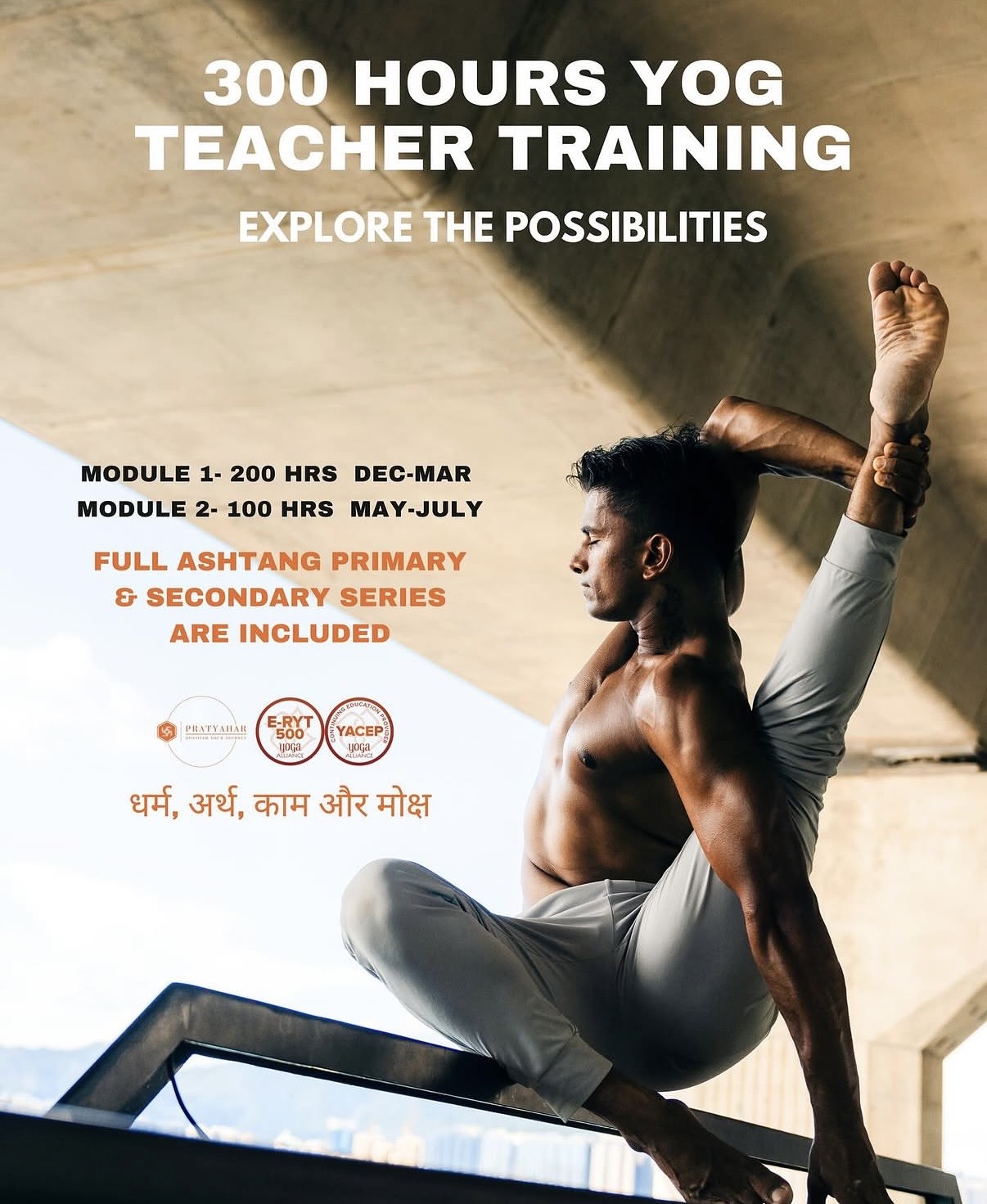
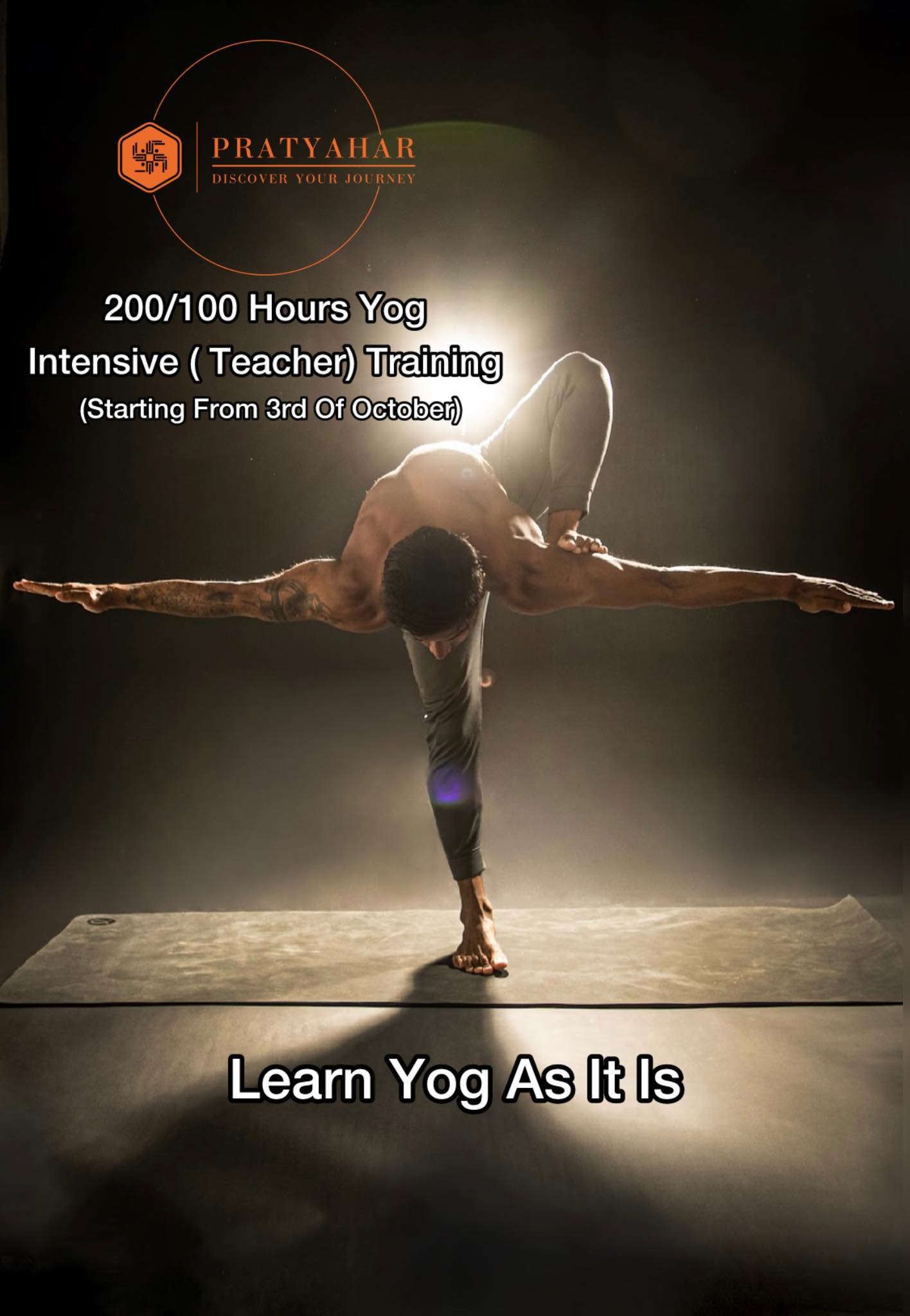
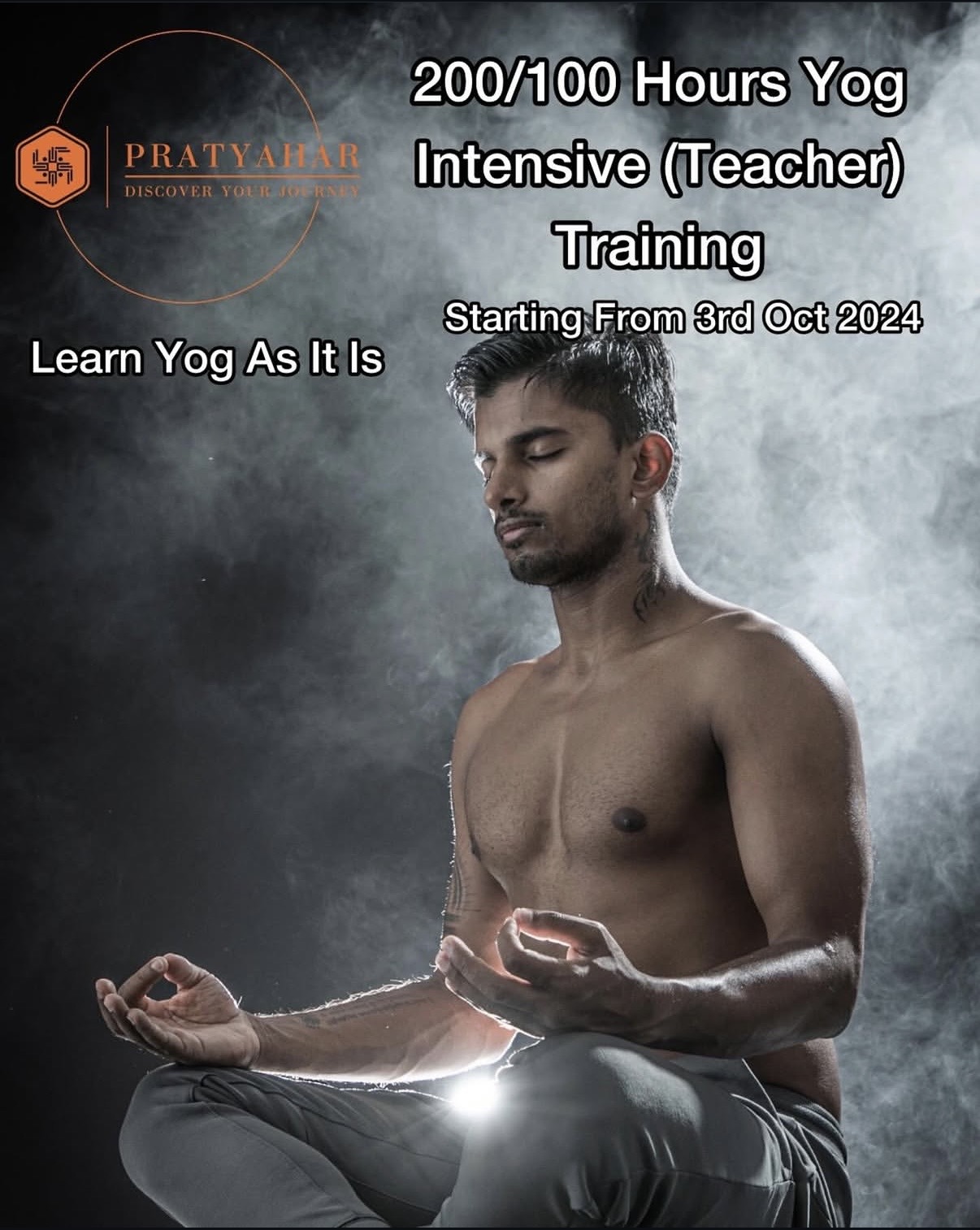
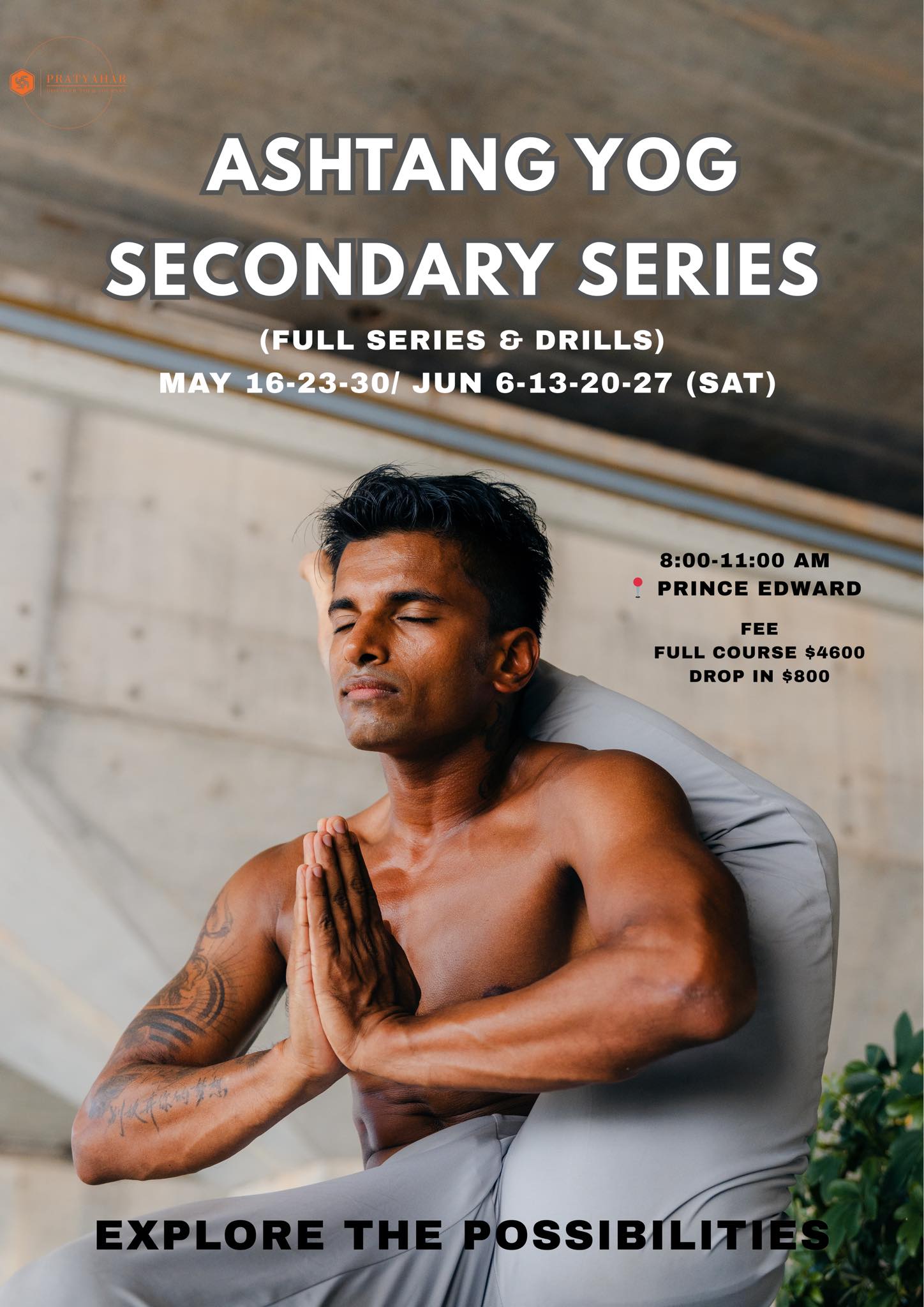
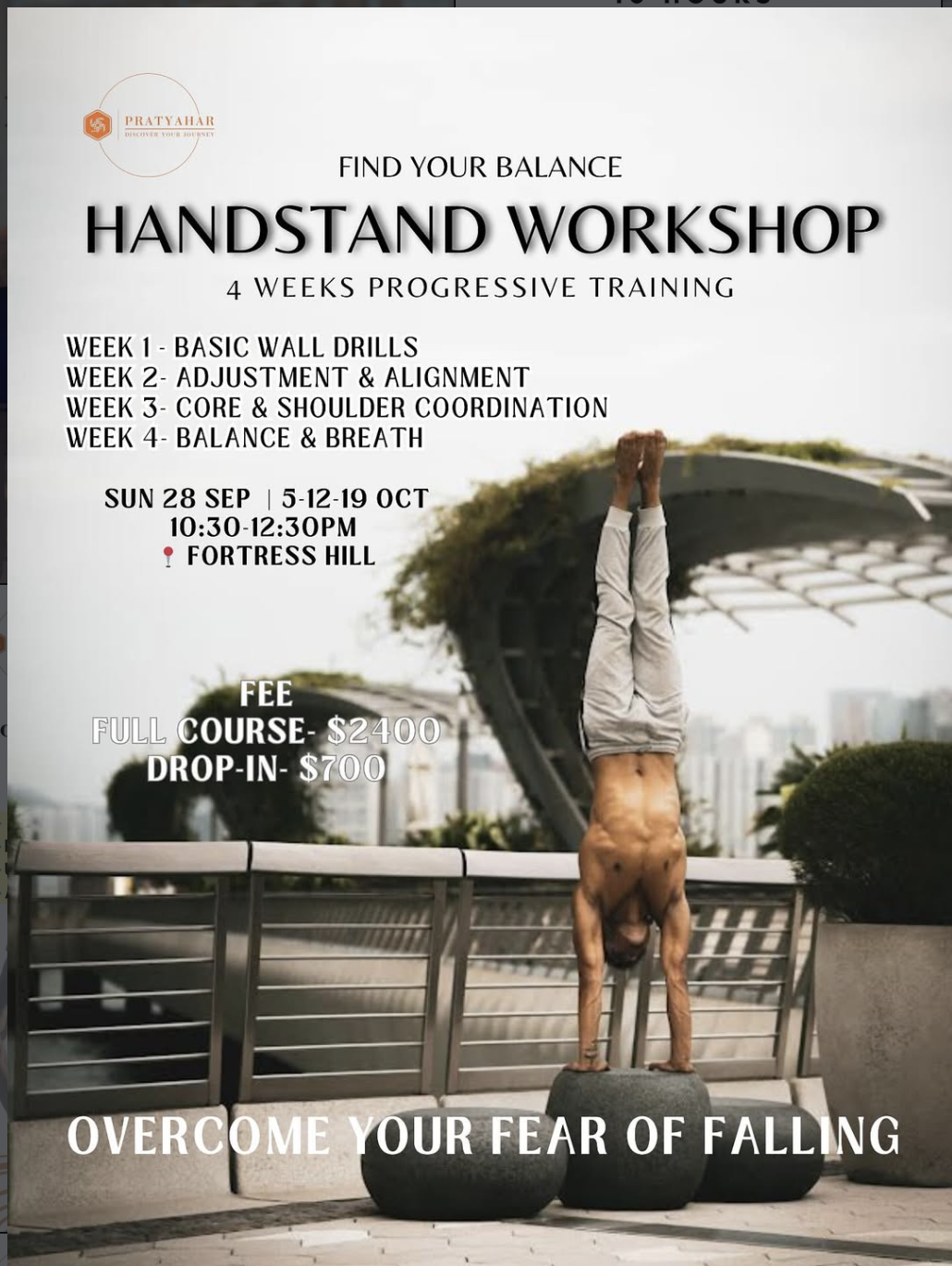
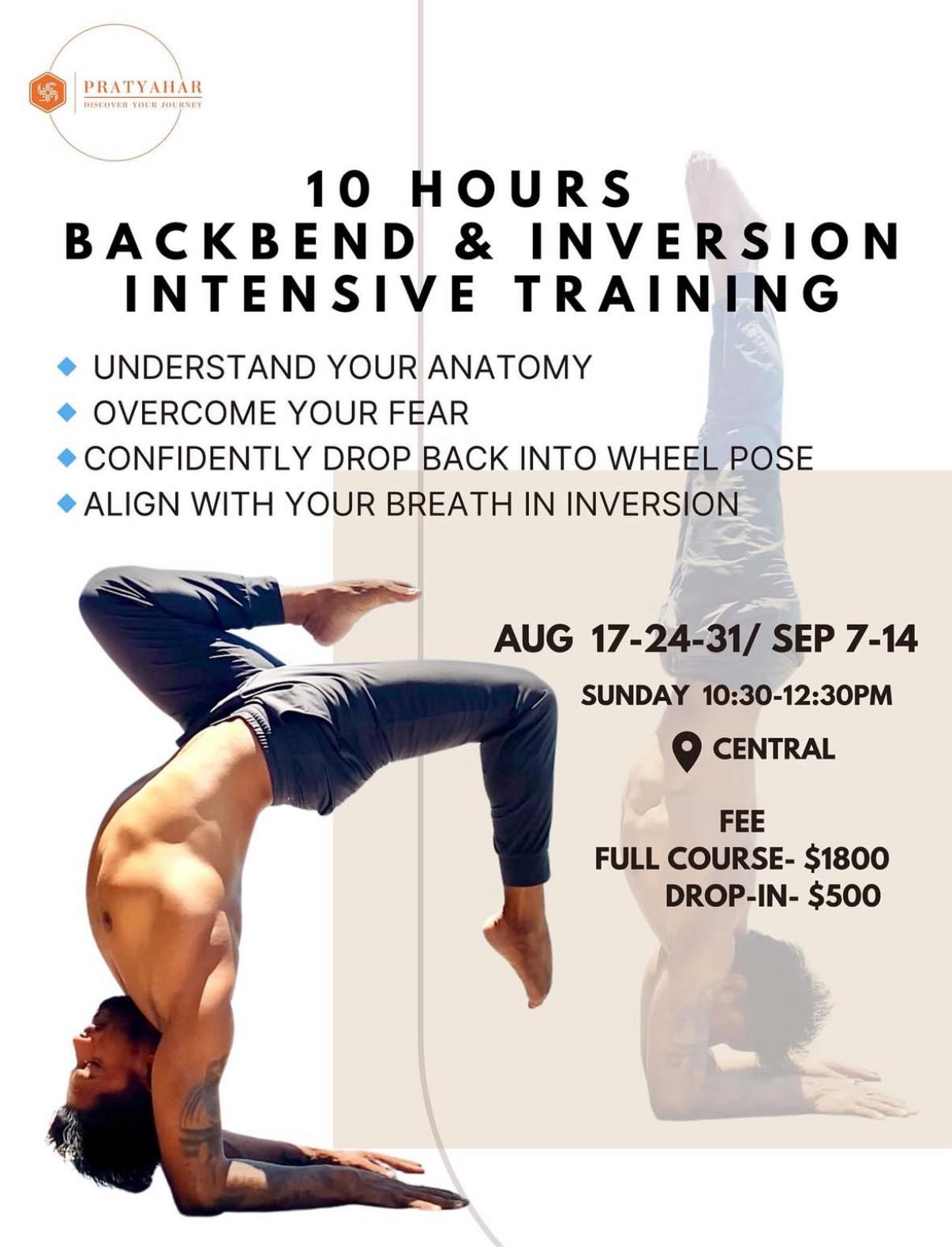
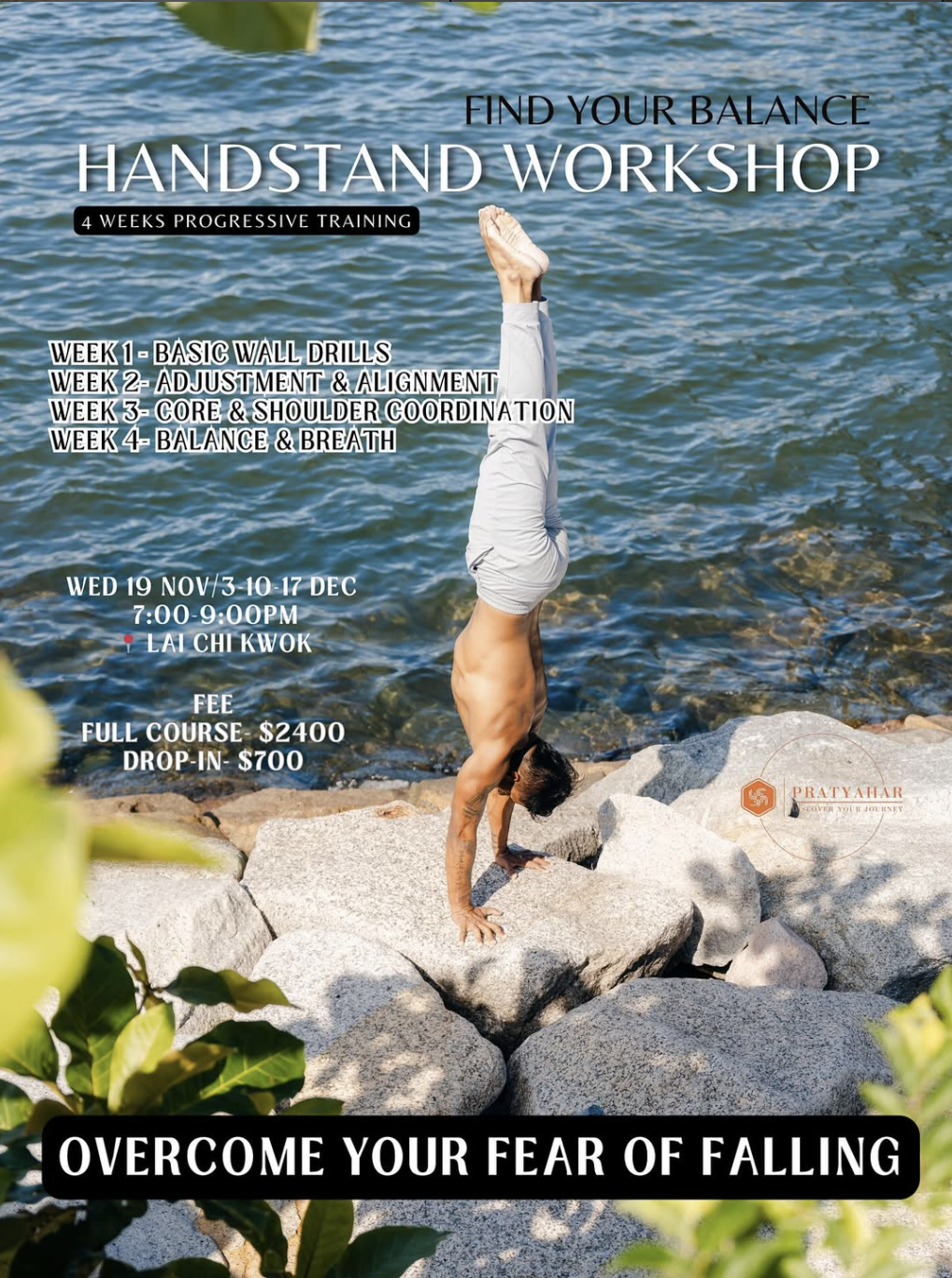
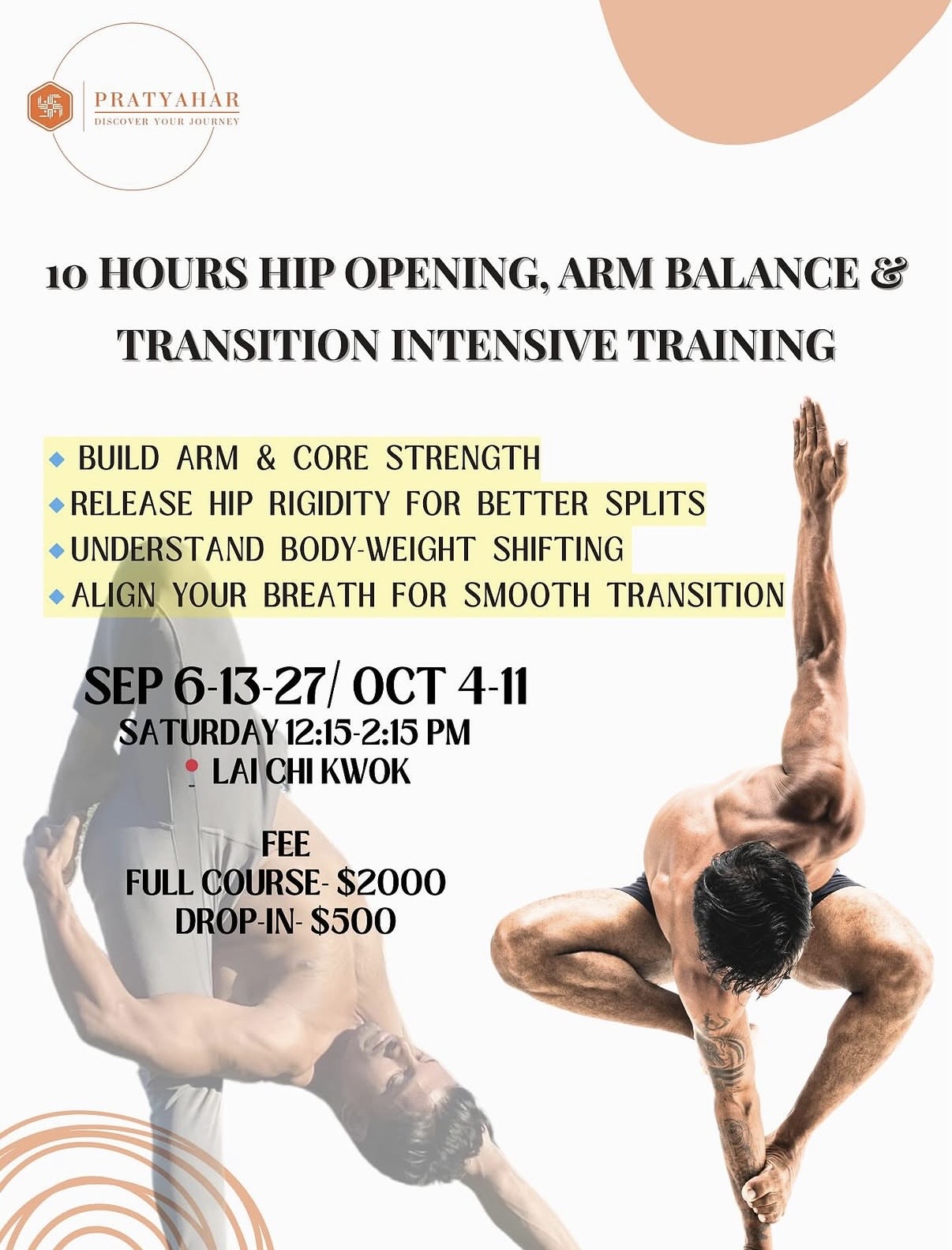
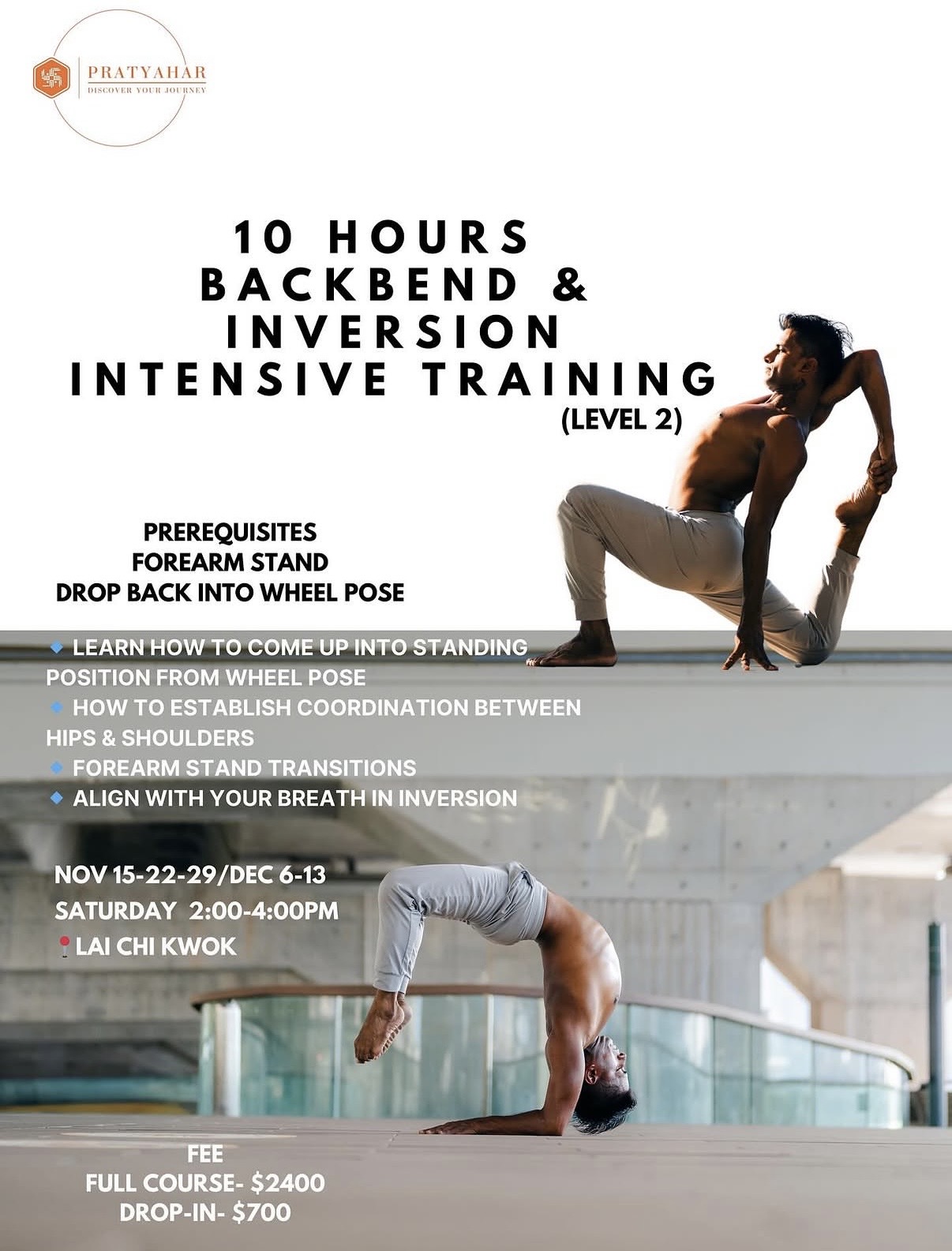
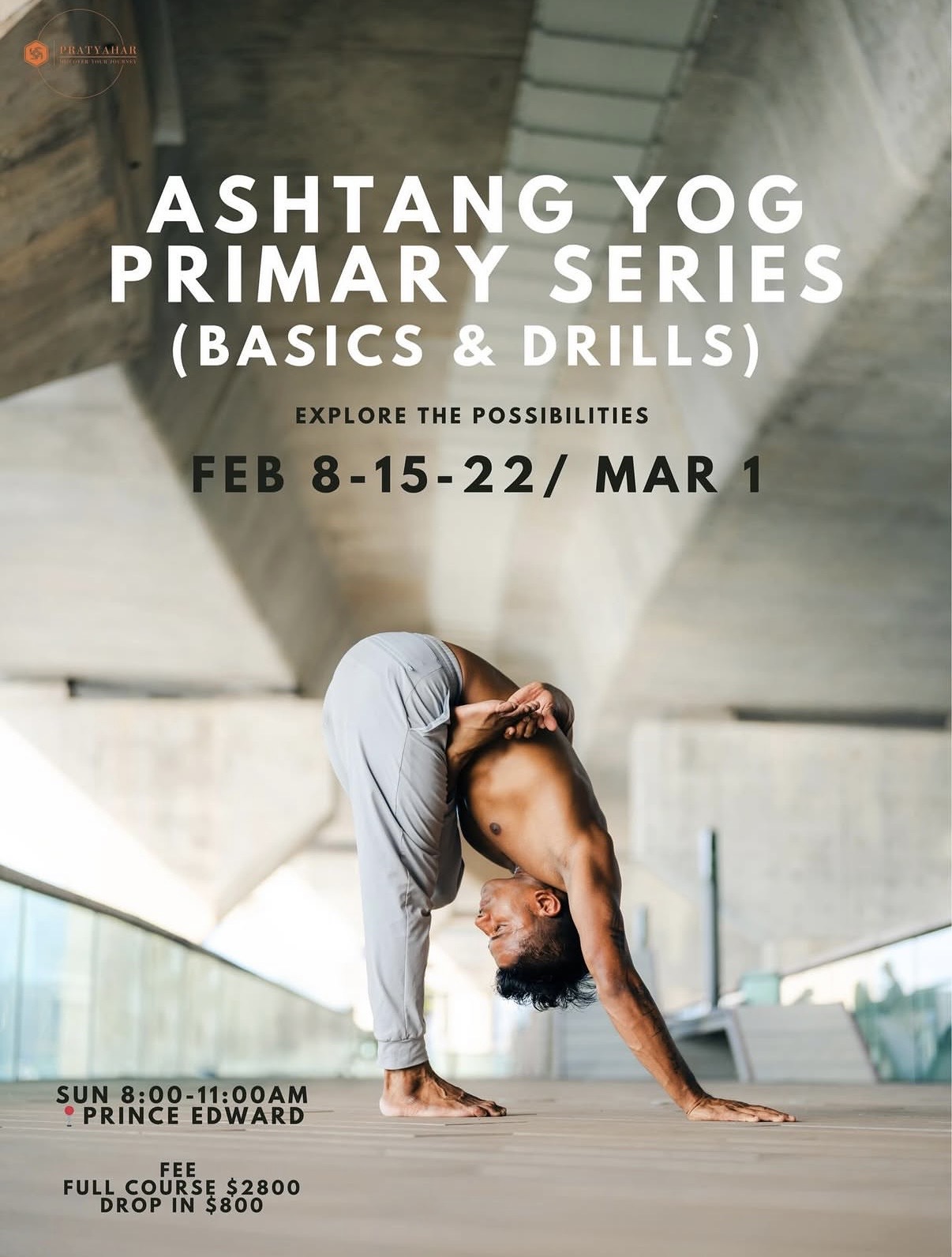
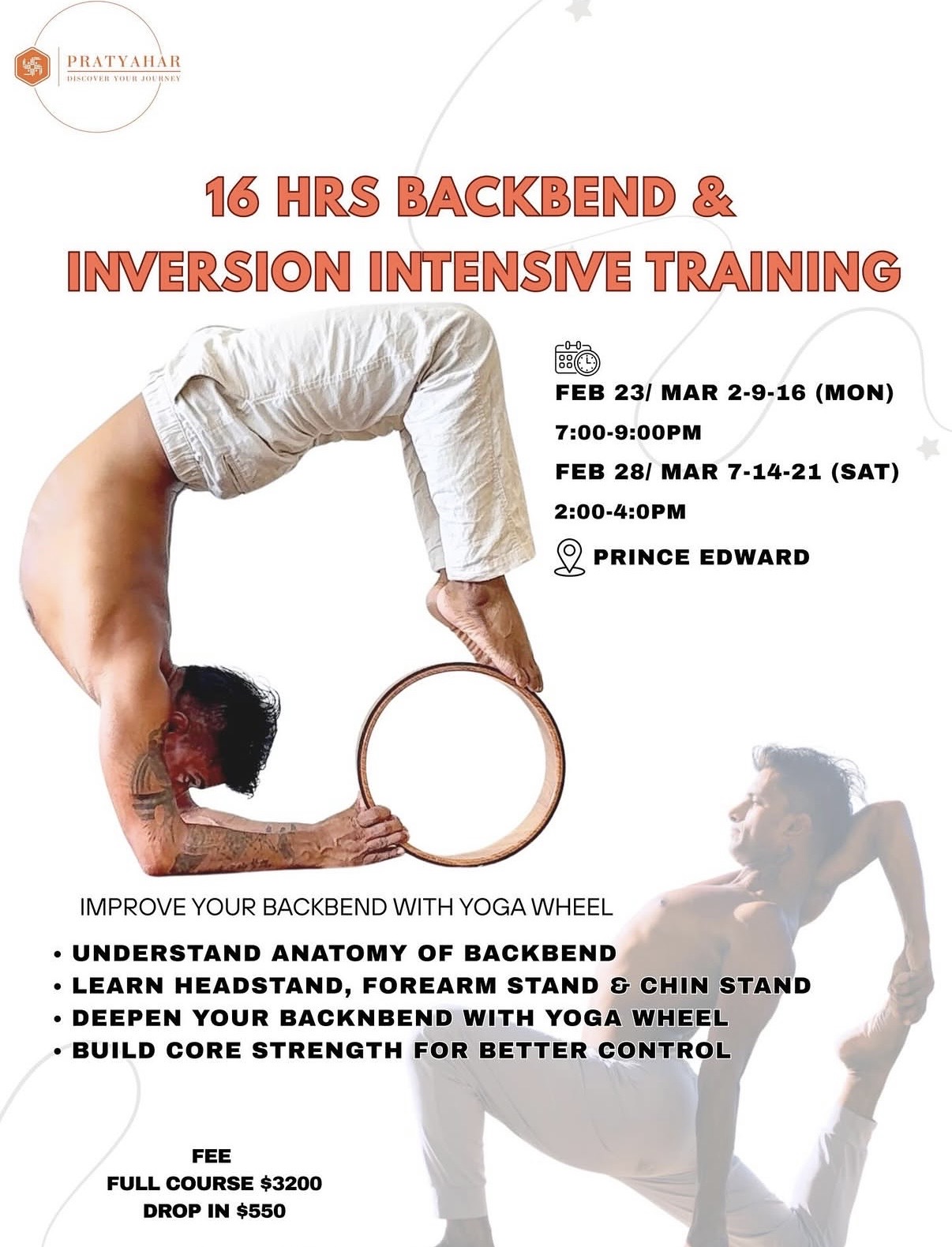
Over the course of my career, I have had the privilege of designing and leading Teacher Trainings and Intensive modules across Asia and Europe. From multi-week immersions in India and Vietnam to specialized weekend intensives in Hong Kong and Spain, these events are built on an uncompromising foundation of functional movement. Rather than just teaching students how to mimic a shape, I structure these deep-dive events to bridge the gap between strength, mobility, and sustainable mechanics. To ensure no one is left behind, my workshop designs integrate significant guidance and targeted preparatory exercises. This deliberate pacing accommodates everyone, including beginners who may have lower sensory awareness allowing them to internalize the movements safely and at their own pace. By cultivating this highly logical and supportive learning environment, I empower practitioners from all walks of life to shed their physical and mental fears, build unshakeable confidence, and take their practice to the next level."
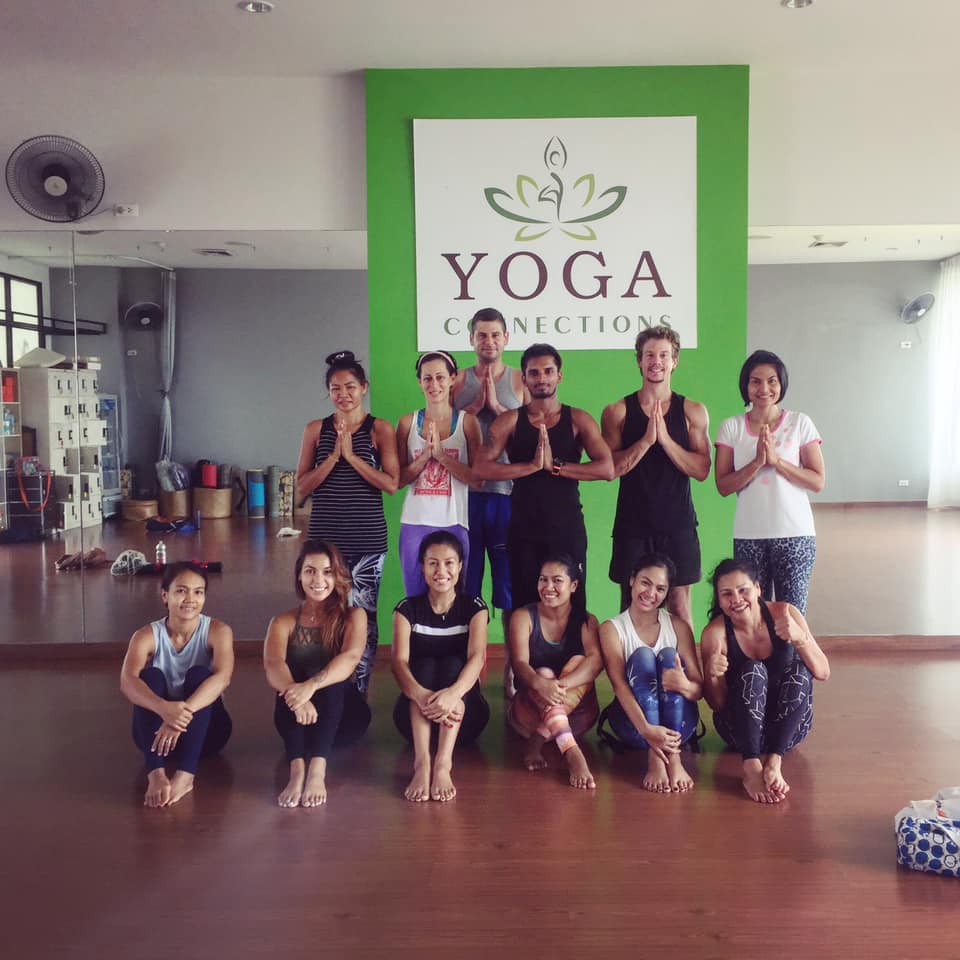
Having led trainings from Hong Kong to Spain, I understand that clear communication is the foundation of a safe and transformative practice. Speaking different languages and navigating rooms where multiple languages are present has refined my cueing to be direct, adaptable, and highly attuned to non-verbal feedback. Allowing me to bridge cultural gaps, build immediate trust, and create an inclusive environment for a truly global community of students."







Trainings & Workshops
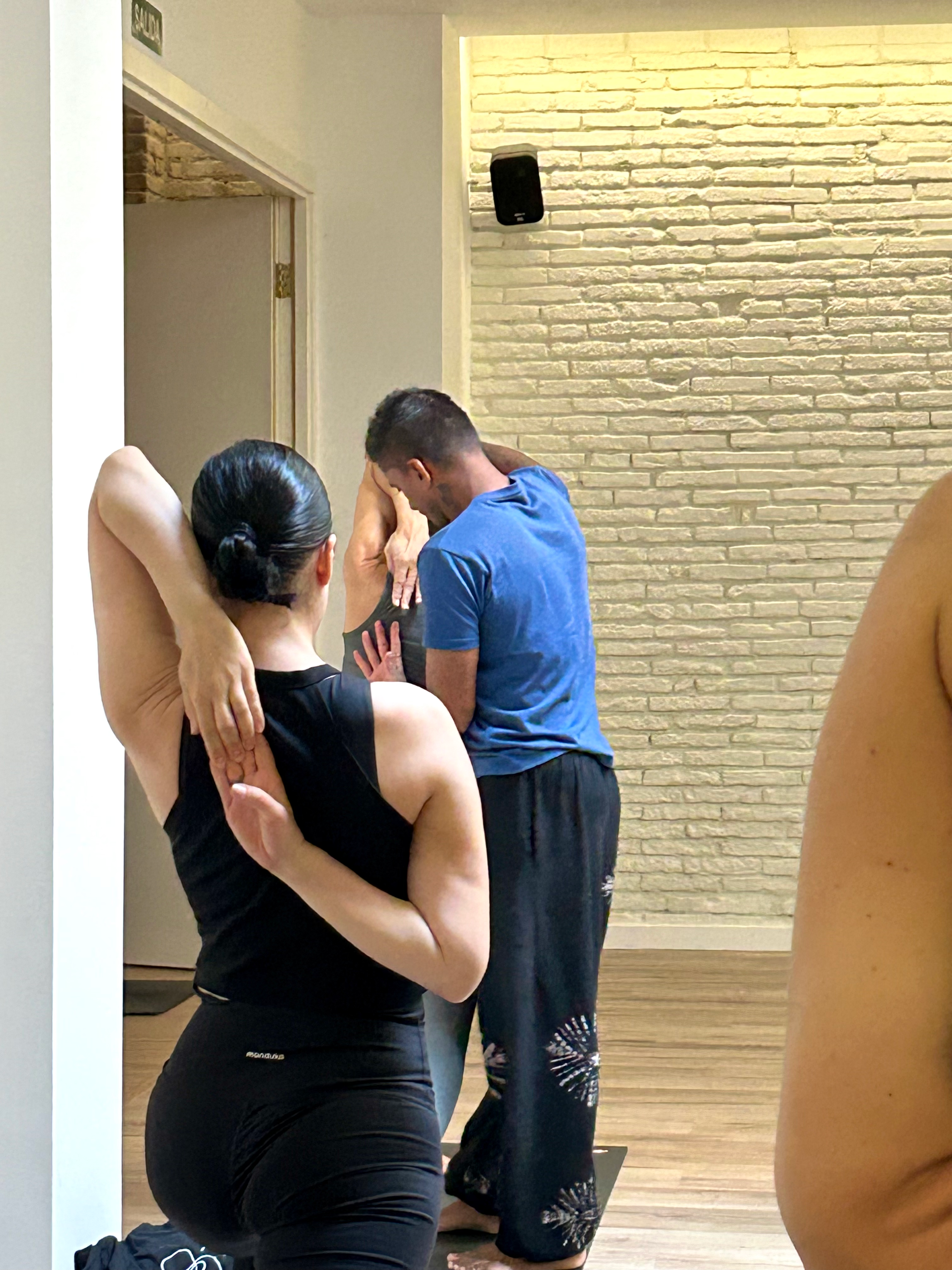
Intensives and trainings often push students past their physical and mental comfort zones. I interact with my students from a place of deep empathy and active listening. By fostering a grounded, judgment-free environment, I help students quiet their inner critic, build immediate trust, and find the courage to overcome their fears.
The true depth of a yoga training is found in the moments of connection between teacher and student. When I am in the room, my focus shifts entirely to the practitioners in front of me. Because intensives can be daunting, I prioritize building an environment rooted in trust and psychological safety. I recognize that every body processes movement differently, so I interact with patience, offering significant guidance and structured preparatory exercises to help those with lower sensory awareness safely connect with their bodies. Utilizing my multilingual background, I continuously adapt my communication style, reading non-verbal cues and adjusting my feedback to ensure every student feels seen, understood, and completely supported as they overcome their limitations.








The Bhagavad Gita is often considered the psychological and spiritual heart of the yoga tradition. While Patanjali’s Yoga Sutras provide a highly structured, analytical framework for the mind, the Gita offers a dynamic, practical guide for navigating the complexities, duties, and emotional struggles of everyday life. It takes yoga off the mat and places it squarely in the middle of human experience.
The Ultimate Metaphor for the Mind
The setting of the Gita—the battlefield of Kurukshetra—is widely understood as a metaphor for the internal psychological struggle between our higher aspirations (dharma) and our lower, ego-driven impulses (adharma).
The imagery of the chariot itself is one of the most powerful teaching tools in yoga philosophy:
-
The Chariot: The physical body.
-
The Horses: The five senses, naturally pulling us toward external stimuli.
-
The Reins: The mind, which must control the senses.
-
The Charioteer (Krishna): Higher intelligence, wisdom, or consciousness.
-
The Passenger (Arjuna): The individual soul (Atman).
When the mind is untrained, the "horses" run wild, leading to anxiety and suffering. Yoga is the practice of handing the reins over to higher wisdom.
At its core, the text is a dialogue about dharma, one's inherent duty, purpose, and right action in the world. Arjuna is paralyzed by a crisis of conscience, unsure of how to move forward. Krishna’s guidance helps him recognize that he cannot abandon his responsibilities; rather, he must change how he engages with them. For modern practitioners, the Gita serves as a grounding force. It reinforces that the goal of yoga isn't to escape the world or retreat to a cave, but to engage with the world's challenges with a clear, functional, and deeply centered mind.